
The Last Word: Why We Can’t Stop Back-Talking Our Bots
Our world is changing and “smart” assistants are everywhere. You have them on your phone, built into your computer, and you even pay to buy a speaker with a screen that shows photos, the weather, and can even give you the latest headlines. But do we really like them? This question may sound odd, but think about it for a moment. You ask a simple question, in a relatively quiet room, something like “Alexa – what’s the weather?” and it comes back with something completely off the wall such as “Hi Chris, the water on the planet is made up of a chemical combination of two parts Hydrogen to one part Oxygen.” You either realize what it’s talking about halfway through and abruptly cut it off with a “No – I asked what the weather was!” and it apologizes, or you start mumbling in agitation about how it never seems to listen and that it’s useless.
This is where it gets interesting because you’ve likely spent hundreds if not thousands of dollars on smart home devices and you couldn’t bear the thought of going back to your previous manual way of doing things, yet you act like it is so inconvenient. Is it really so inconvenient, or is it that the few times it deviates from expectations, you forget the wins? For instance, you might forget the times it allowed you to sleepily tell it to set the thermostat lower because you woke up in a sweat. You mumbled “Alexa – set thermostat to 65” and it complied without issue.
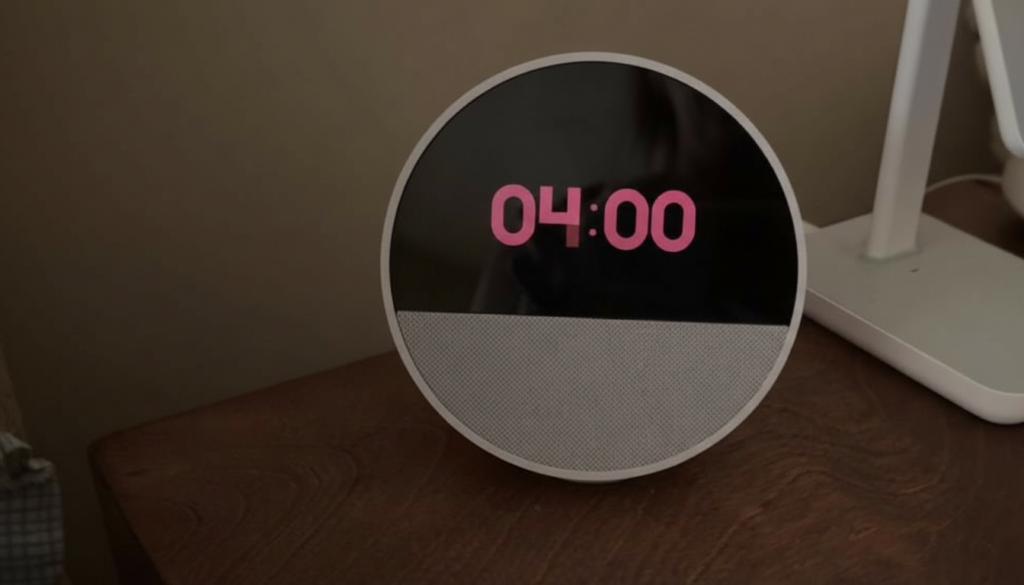
It wasn’t tired even though it was 4 AM because it doesn’t sleep, AI never gets tired. Sure, there can be congestion due to slowdowns at a data center or internet connectivity issues but it never needs caffeine to function or a vacation to recharge.
This is where the old adage “Garbage In, Garbage Out.” comes into play. If the environment has a lot of static or background noise the microphones have a hard time picking up and therefore isolating our voices which causes inaccurate analysis of what was spoken. This is exactly why when you’re watching an old spy movie that someone motions to a character or drags them into a bathroom and turns the shower on full blast before they start talking in a lower volume. It makes it hard for electronics to pick up voices. The same can be said for why many office buildings have white-noise generators installed in hallways, common areas, and large call floors. As kids, most of us likely never realized how real this phenomenon would be in our lives, or that we really would essentially have a hidden microphone in every room.
The underlying reason why we respond the way we do is because the AI systems in our lives respond in a human-like manner, which causes us to do the same. These responses are programmed from birth as part of how society functions. Our speakers greet us with “hello” or “hi” when these words serve no purpose to the speaker, but serve to alert us that they are listening and to appear friendly. What if the speaker instead responded with “Yeah” when you spoke to it? Would you potentially take that as having an attitude or even being hostile? You might.
It all comes down to being human, which is something that, so far, a machine has not been able to replicate.
Tip: To help ensure more accurate smart speaker or AI responses when using voice commands, try to limit ambient noise.